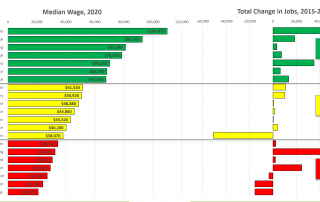
A Stage (or Age?) of Stagnant Wage(s)
A whirlwind look at wage trends (high, middle, low) pre- and post-pandemic...nationally and locally



A whirlwind look at wage trends (high, middle, low) pre- and post-pandemic...nationally and locally
Explore our new occupation demand and supply data dashboard, which focuses on the economic health and workforce characteristics of the ARC WorkSource Plan's five target occupation clusters.
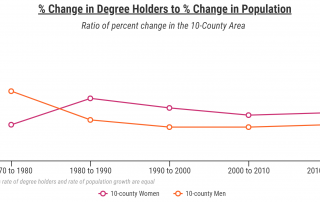
One area where Atlanta does see gender parity? Rates of higher educational attainment. In fact, women have outpaced men in attaining bachelor's and graduate degrees since 1970.
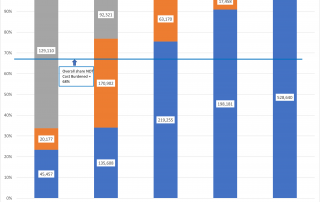
About a third of Atlanta households are defined as cost-burdened (spending more than 30 percent of income on housing). BUT those cost burdens go up...a lot...for renters, for lower-earners, or (especially) for lower-income renters.
Black-owned businesses make up a much larger share of the Atlanta metro business base than they do at the national level, and a relatively large share of these businesses are small.
This month's regional snapshot introduces our updated 100 Metros dashboard, with an overview of some select findings and a demonstration of the comparison feature.
A comparison of jobs between Q1 and Q2 of 2019 and 2020, and a look at unemployment rates in the course of 2020, reveal the depth of the pandemic's impact on our economy.
Looking at the spatial distribution of Paycheck Protection Program loans below and above $150,000.
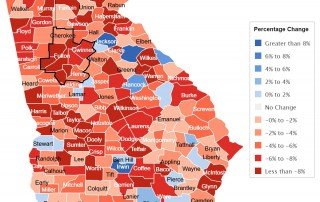
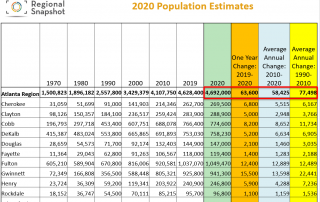
ARC's 2020 major jurisdiction population estimates. The 10-county region’s population increased by 1.2 percent and now stands at 4,692,000 — more than that of 24 states. A significant reduction in job growth has resulted in slowing of the region’s population growth, to the lowest level of the last four years.
What does the Census Bureau's Small Business Pulse Survey tell us about the state of Atlanta small businesses?